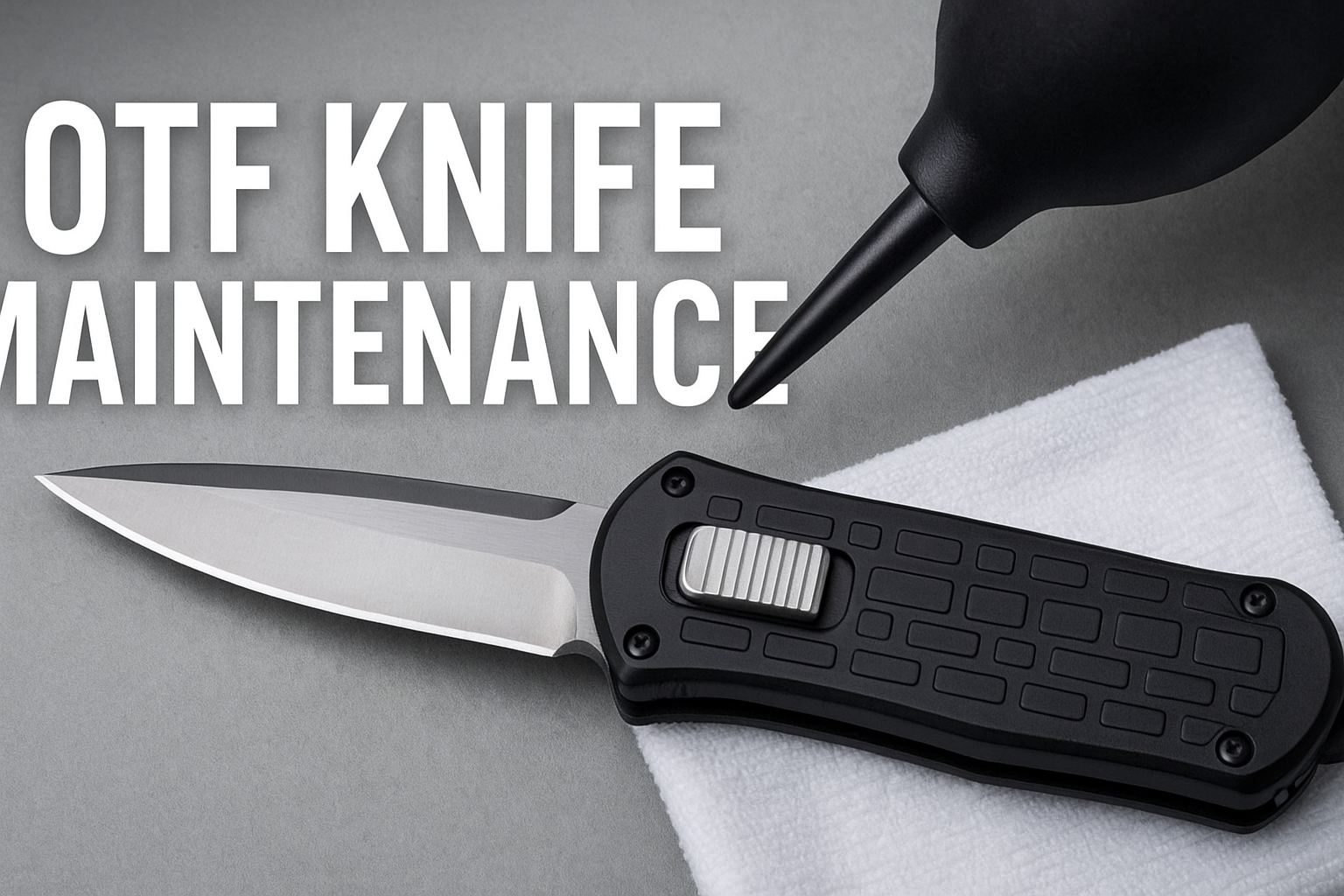
Out-the-front (OTF) knives have surged in popularity due to their sleek design, lightning-fast deployment, and everyday practicality. Whether you use an OTF knife for outdoor adventures, self-reliance tasks, or daily utility, proper maintenance is essential to keep it sharp, smooth, and dependable. Like any precision tool, an OTF knife requires regular care to maintain its performance.
In this guide, we’ll walk you through how to maintain an OTF knife, the best cleaning methods, lubrication tips, sharpening techniques, and mistakes you should avoid. If you want your knife to function flawlessly for years, this guide is for you.
What Makes OTF Knives Different?
OTF knives differ from traditional folding knives in one major way—the blade extends and retracts from the front of the handle through a specialized internal mechanism. This mechanism includes:
- Springs or tension systems
- Blade channels
- Internal rails
- A deployment switch or button
Because of these internal components, OTF knives can accumulate dirt, lint, and debris more easily than standard pocket knives. This makes proper cleaning and lubrication essential for reliable function.
Why OTF Knife Maintenance Matters
An OTF knife that hasn’t been properly maintained may:
- Misfire or fail to deploy
- Retract slower than usual
- Become difficult to operate
- Become dull faster
- Develop rust or corrosion
- Accumulate harmful debris
Ignoring maintenance can shorten your knife’s lifespan and even damage the internal mechanism. With the right routine, however, your knife can stay in peak condition.
1. Cleaning Your OTF Knife
Regular cleaning is the most important part of OTF knife maintenance. Dust, pocket lint, sweat, and debris can accumulate inside the handle and interfere with deployment.
How Often Should You Clean It?
- Light use: every 2–4 weeks
- Heavy or outdoor use: every few days
- After exposure to water, dirt, or sand: immediately
Cleaning Supplies You’ll Need
- Compressed air or an air blower
- Cotton swabs
- Rubbing alcohol (70% or higher)
- Microfiber cloth
- A toothpick or soft brush
Step-by-Step Cleaning Process
Step 1: Blow Out the Dust
Use a compressed air can to blow dust and lint out of the blade opening and handle. This alone can drastically improve deployment.
Step 2: Wipe the Blade
Use a cotton pad or microfiber cloth with rubbing alcohol to remove fingerprints, oil, or dirt from the blade. Alcohol evaporates naturally without leaving residue.
Step 3: Clean the Internal Mechanism (External Method)
For most OTF knives, you don’t need to disassemble the handle. Insert a cotton swab dipped in alcohol into the blade channel and gently clean out debris.
Step 4: Remove Sticky Residue
If you’ve cut packaging tape or adhesive materials, sticky residue may remain on the blade. A small amount of acetone or alcohol will remove it without harming the metal.
Step 5: Let It Dry Completely
Before lubricating, ensure the inside of the knife is dry. Moisture trapped inside can cause rust.
2. Lubricating Your OTF Knife
OTF knife mechanisms function best with light lubrication. Too much oil attracts lint and dust, creating more problems.
The Best Lubricants for OTF Knives
- High-quality gun oil
- Light knife oil (e.g., KPL or similar brands)
- Silicone-based lubricant
- Teflon-based dry lubricant
Avoid thick oils or grease—they can clog the system.
How to Lubricate an OTF Knife
Step 1: Apply a Small Amount
Add one drop of oil into the blade opening. A tiny amount goes a long way.
Step 2: Work the Mechanism
Deploy and retract the blade several times to distribute the oil across the internal components.
Step 3: Wipe Off Excess
Anything dripping or collecting around the opening should be wiped clean.
Tip: If you prefer a cleaner knife, use a dry lubricant. It reduces friction without attracting debris.
3. Sharpening Your OTF Knife
Although OTF knives are loved for their quick deployment, they still require a sharp blade to function effectively.
How Often Should You Sharpen It?
- Everyday carry: every 4–8 weeks
- Heavy cutting: every 1–2 weeks
- Minimal use: every 2–3 months
Sharpening Tools You Can Use
- Sharpening stone
- Diamond stone
- Ceramic rod
- Professional knife sharpener
- Pull-through sharpeners (less recommended but usable)
How to Sharpen Your OTF Knife Properly
- Remove the Blade (Only if Recommended):
Some OTF knives can be disassembled easily. Others should not be opened by the user, as it may void the warranty. Always check your manufacturer’s guidelines. - Find the Correct Angle:
Most OTF knives use a 20–25 degree sharpening angle. - Use Consistent Strokes:
Glide the blade along the stone from heel to tip using light pressure. - Flip and Repeat:
Sharpen both sides evenly to maintain symmetry. - Hone With a Ceramic Rod:
This smooths out micro-serrations for a razor-sharp finish.
If You Can’t Remove the Blade…
You can still sharpen your OTF knife while the blade remains attached:
- Extend the blade fully
- Lock it if your model allows
- Use a stone or rod carefully along the exposed section
Avoid forcing the blade or applying side pressure.
4. Rust Prevention Tips
Even stainless steel can rust without proper care. OTF knives are particularly vulnerable because moisture trapped inside the mechanism can corrode components.
How to Prevent Rust
- Keep the knife dry at all times
- Store it in a low-humidity environment
- Avoid leaving it in damp pockets
- Wipe the blade after every use
- Oil the blade lightly every few weeks
If you live in a humid climate, a silica gel packet in your storage box helps.
5. When to Avoid Using an OTF Knife
OTF knives are durable, but they’re not designed for:
- Prying
- Hammering
- Batoning wood
- Cutting extremely hard materials
- Using sideways pressure
Misusing the blade can throw the mechanism off track or damage internal springs.
6. Signs Your OTF Knife Needs Maintenance
You should clean or service your knife if:
- The blade misfires or fails to deploy
- The button feels stiff
- The blade wobbles
- You hear grinding noises
- The blade doesn’t retract smoothly
- Rust spots appear
Regular upkeep prevents these issues before they start.
7. Should You Disassemble Your OTF Knife?
Not all OTF knives are meant to be taken apart. Many companies warn that disassembly:
- Voids the warranty
- Can damage internal springs
- May misalign the deployment system
Only take apart the knife if:
- The manufacturer approves it
- You have the right tools
- You are comfortable working with small mechanical parts
When in doubt, stick to external cleaning.
Final Thoughts
Maintaining an OTF knife doesn’t need to be complicated. With regular cleaning, proper lubrication, and occasional sharpening, your knife will remain sharp, reliable, and ready for use at a moment’s notice. OTF knives are precision tools—treat them with care, and they’ll deliver years of dependable performance.
If you want your OTF knife to function like the day you bought it, start using the maintenance tips in this guide and make it part of your routine.